
Address: No.14 Waihuan Road, CBD, Zhengzhou, China
Tel: +86-15978414719
Fax: +86-371-65621393
Mail: sale@alumhm.com
Time:2026-01-16
Bulk buyers often search for 7075 aluminum plate suppliers when a project requires high strength-to-weight performance, stable machining, and consistent documentation for aerospace-grade or high-load parts. But supplier lists can be confusing: plate vs sheet, multiple tempers, different flatness claims, and uneven quality-control practices.
This guide explains what to verify when sourcing 7075 plate in volume, what questions reduce risk, and how to compare offers without overpaying.
7075 is a high-strength Al-Zn-Mg-Cu alloy widely used in aircraft structures, tooling plates, sporting goods, and high-stress mechanical components. In purchasing terms, the most common causes of confusion are:
Plate vs sheet: Plate is typically thicker material with different flatness/tolerance expectations and usually supplied as cut pieces rather than coils.
Temper selection: 7075-T6 and 7075-T651 are common; T651 indicates stress-relieved (often preferred for machining stability).
Application-driven requirements: Aerospace and defense-related jobs may require tighter documentation, traceability, and specific standards.
If your demand includes flight hardware or strict structural performance, its often helpful to align your sourcing language with the end-use (for example, referencing 7075 aircraft aluminum sheet where it matches your thickness range and spec).
Supplier comparison is easiest when you standardize checks across quotes. The following items matter most for bulk purchasing:
Standards and spec matching
Confirm which standards the material will meet (common examples include ASTM/EN equivalents, aerospace specs, and customer drawings). Ask the supplier to state the standard on the quotationdont assume.
Temper and stress relief
For CNC-heavy parts, temper and stress relief can impact distortion after milling. If you require machining stability, request T651 (or the required variant) and confirm how stress relief is achieved.
Thickness tolerance, flatness, and surface requirements
Two offers can differ significantly in usable yield. Ask for:
Thickness tolerance range
Flatness/leveling method
Surface condition (e.g., as-rolled vs machined surface)
Quality documents and traceabilityFor serious programs, request:
Mill Test Certificate (MTC) / EN 10204 type (if applicable)
Heat/lot traceability
Chemical composition + mechanical properties
NDT/UT testing availability when required
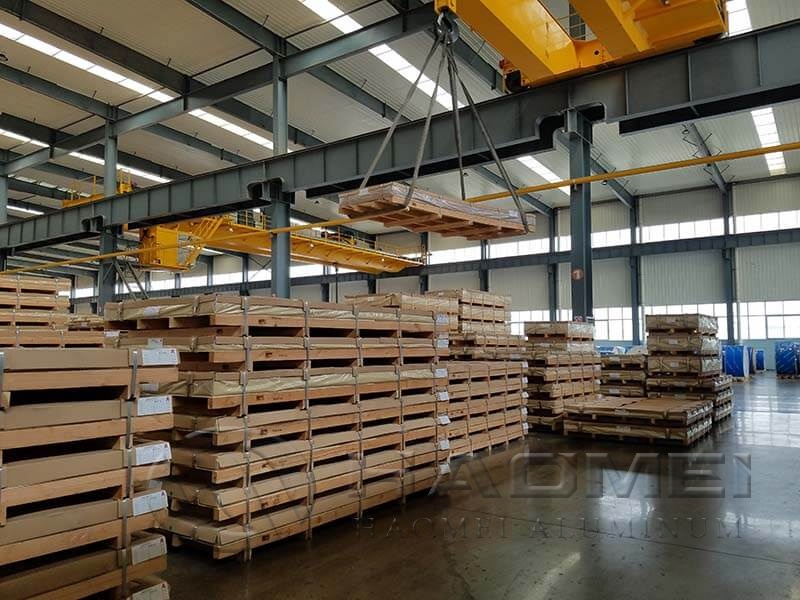
Inventory depth and lead time reliabilityFast delivery claims mean little without inventory visibility. Ask what thicknesses are stocked, typical cutting time, and how they manage shortages (substitution policy should be approved by you).
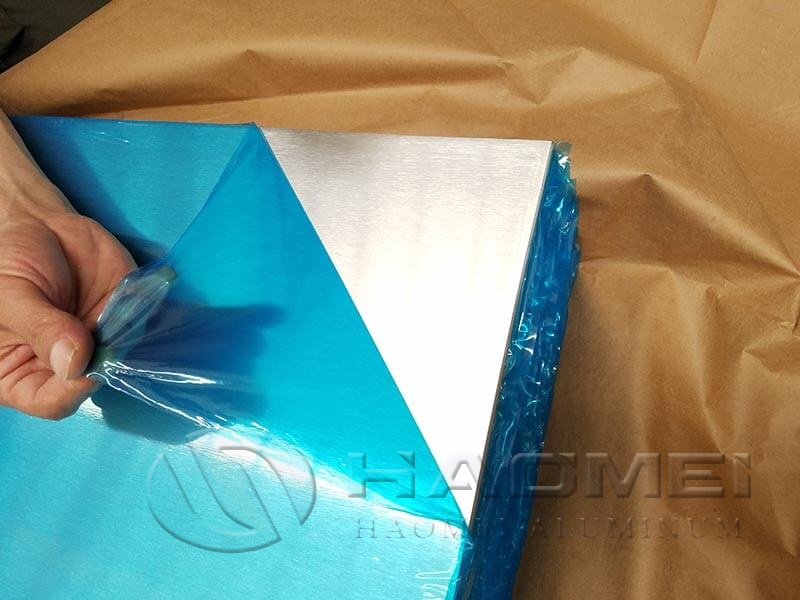
Packaging for damage control and exportBulk plate is heavy; edge damage and corrosion can ruin a batch. Confirm protective film/paper, edge guards, pallet type, desiccant if ocean shipping, and labeling.
Choosing temper is not just a mechanical-property decision; it affects machining, distortion, and inspection outcomes.
| Temper | Typical buyer goal | Notes for purchasing | Best for |
|---|---|---|---|
| 7075-T6 | High strength | Widely available; verify property ranges on MTC | Structural parts, fixtures |
| 7075-T651 | Strength + improved machining stability | Stress-relieved; often preferred for thick sections | Precision machined parts |
| 7075-T73 / T7351 | Better stress-corrosion resistance | May trade some strength for durability | Corrosion-sensitive environments |
When comparing quotes, ensure all suppliers are quoting the same temper and the same acceptance standard for mechanical tests.
A clear RFQ reduces back-and-forth and prevents quote gaps that show up later as change orders.
| RFQ item | What to specify | Why it matters |
|---|---|---|
| Alloy & temper | 7075 + exact temper (e.g., T651) | Avoids non-equivalent substitutions |
| Dimensions | Thickness width length; tolerances | Determines yield and machining allowance |
| Quantity | Pieces and total tonnage | Drives batch planning and price breaks |
| Standard | ASTM/EN/customer spec | Aligns testing and compliance |
| Surface | As-rolled, machined, protective film | Impacts scrap rate and handling |
| Inspection | MTC, UT/NDT if needed | Reduces incoming QA disputes |
| Packing | Pallet, edge guard, export packing | Prevents transit damage |
| Delivery terms | EXW/FOB/CIF + destination | Makes quotes comparable |
If your project includes mixed aerospace alloys, its also practical to verify whether the same supplier can support adjacent grades (for example 7050 airplane grade aluminum plate) to consolidate logistics and documentation.
For large-volume plate purchasing, unit price is only one component. Total landed cost is usually driven by:
Cut-to-size efficiency: Better tolerances and stable flatness reduce machining and rework.
Certification completeness: Missing documents can stall receiving and production.
Yield and scrap: Real cost rises if you must over-order due to thickness/flatness variability.
Logistics risk: Plate damaged in transit becomes a schedule issue, not just a cost issue.
A good practice is to score suppliers using a simple matrix (quality docs, tolerance performance, lead time adherence, packaging, responsiveness) and place trial orders before awarding full annual volume.
When youre sourcing 7075 plate in bulk, the best supplier is the one that consistently delivers the specified temper, verified properties, stable flatness, and complete traceabilityon a lead time you can plan around. Standardize your RFQ, compare quotes on identical requirements, and prioritize suppliers with proven QA documentation and export-ready packaging. That approach reduces receiving holds, machining distortion, and costly reorderswhile keeping your aluminum supply chain predictable.


